Ravoli for non-lenten times

Some time ago I was spending weekend alone at home. We have gotten a pasta machine as wedding gift and I finally decided to take it away from the box and learn how to do homemade pasta. I have done pasta with machine long time ago and I usually do ravioli only with rolling pin. I don’t have other (modern) pasta equipments like drying stand, ravioli trays.. pasta wheel I just bought. But you don’t actually need anything else than a knife and a rolling pin for making pasta or ravioli.

To combine two fun things I decided to learn how to make pasta with using modern machine and make medieval ravioli (which I cut out from dough only by using a knife).

There are several medieval pasta recipes in manuscript texts. As today pasta was dried or eaten fresh. Pasta was very often cooked in broth.

Picture of how to make pasta from Tacuinum of Vienna late 14th century- beginning of 15th century (picture taken from Gode Cookery website)

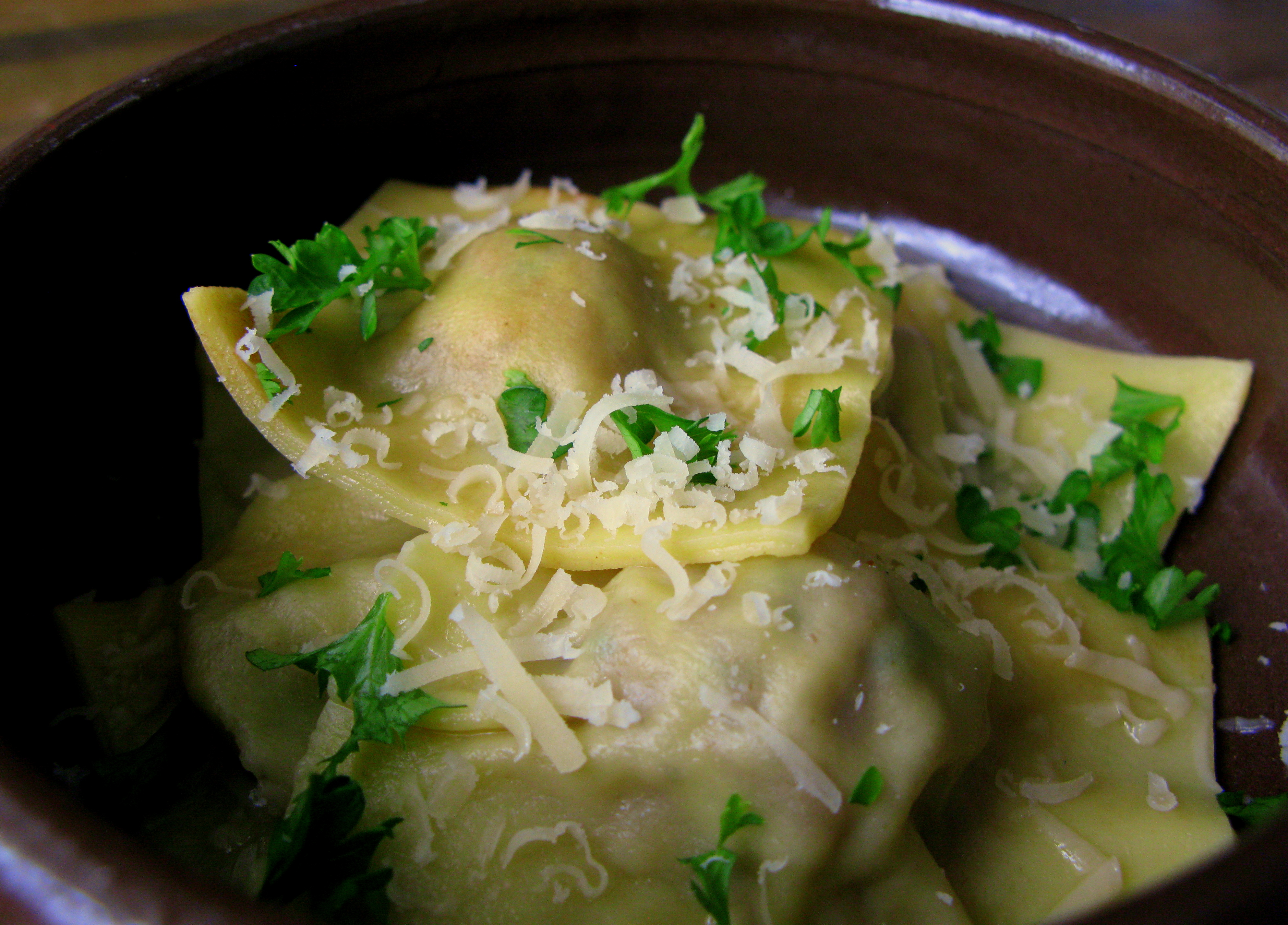
Ravioli for non-lenten times

To make ten servings: take a half libra of aged cheese, and a little fatty cheese and a libra of fatty pork belly or veal teat, and boil until it comes apart easily; then chop well and take some good, well-chopped herbs, and pepper, cloves, and ginger: and it would be even better if you added some ground capon breast; incorporate all these things together.

Then take a thin sheet of pasta and encase the mixture in the pasta, as for other ravioli. These ravioli should not be larger than half a chestnut; cook them in capon broth, or good meat broth that you have made yellow with saffron when it boils. Let the ravioli simmer for the time it takes to say two Lord’s Prayers.
Serves 2

Pasta dough:

4,5-5 dl Drum wheat flour (or normal wheat flour)

3 eggs (or 1,5 dl water)

1 tablespoon of olive oil

(salt)

Ravioli filling:

about 40 g ground cheese (aged/fatty or both)

about 80 g prosciutto ham (or cooked pork belly as the recipe suggests)

1 tablespoon of chopped fresh parsley

½ teaspoon of pepper

½ teaspoon of ginger

¼ teaspoon of cloves

Egg for brushing the pasta sheets

For cooking:

1,5 l meat broth

pinch of saffron to colour the broth

Start with clean work surface. Take 4,5 dl flour and make a mound. Make a well in the middle of the mound and add beaten eggs (or water), olive oil and salt there. Start mixing slowly with your hands, slowly incorporating all the flour until the dough comes together. Knead about 15 minutes (this is essential part of making pasta) until pasta is soft and elastic. Add more flour if needed. Let the dough rest about 30 minutes covered.

Prepare the filling. Grate cheese and chop parsley and meat very fine. Add all together and mix well. Use machine or rolling pin to roll the dough to thin sheets. Beat one egg and brush egg to the sheet. Drop one teaspoons of filling to the dough couple centimeters away from each other. Cover the filling with a sheet of pasta and press the air out. Cutt and press the ravioli edges together firmly. Take a pot and bring meat broth to boil. Add a little bit saffron to colour the broth if you wish. When the broth boils add the ravioli and cook them 2-4 minutes depending on the size of your ravioli. Serve with or without the broth. Garnish with cheese and herbs if you wish.

Comments: If you roll all the dough at once, remember that the pasta sheets will start drying and handling drying pasta sheets makes it more difficult to form ravioli. You can use this pasta recipe for other types of pasta too. I haven’t yet dry pasta made with eggs, so I don’t know how long it will stay fresh. You can froze your pasta if you don’t want to use it right away. I have heard that it tastes almost as good as fresh. This pasta recipe will be added to the basic recipe section.

If you make ravioli for only two you really don’t need much filling. Making ravioli for many is quite time consuming which is good to know at advance. The recipe suggests adding both aged cheese and fatty cheese to the filling. I used only mozarella, beause I had that in my fridge. And I cheated a little bit by using prosciutto instead of cooked pork belly or veal teat.

(The Art of Cooking, The First Modern Cookery Book, The Eminent Maestro Martino of Como, 15th century, Ballerini)

*************************************************************

Jokin aikaa sitten vietin viikonloppua yksikseni kotona ja jostain tarmon puuskasta päätin kaivaa esille häälahjaksi saamamme pastakoneen. Olen käyttänyt pastakonetta joskus aikaa sitten, enkä enää oikein muistanut, kuinka sitä käytetään. Olen tehnyt sen jälkeenkin ravioleja, mutta perinteisin menetelmin kaulimella. Samalla kun harjoittelin pastakoneen käyttöä, päätin kokeilla tehdä jotain kivaa tänne blogiin. Lopulta useammasta vaihtoehdosta tällä kertaa valikoitui tämä ravioliresepti, josta pidän paljon. Pastakokeilu jatkuu, eli seuraava ruokalaji onkin jo tuloillaan. Ylhäällä hauska kuva 1300- ja 1400-lukujen vaihteen tienoilta pastan valmistuksesta!

Lihapäivän ravioleja

To make ten servings: take a half libra of aged cheese, and a little fatty cheese and a libra of fatty pork belly or veal teat, and boil until it comes apart easily; then chop well and take some good, well-chopped herbs, and pepper, cloves, and ginger: and it would be even better if you added some ground capon breast; incorporate all these things together.

Then take a thin sheet of pasta and encase the mixture in the pasta, as for other ravioli. These ravioli should not be larger than half a chestnut; cook them in capon broth, or good meat broth that you have made yellow with saffron when it boils. Let the ravioli simmer for the time it takes to say two Lord’s Prayers.

2 hengelle

Pastataikina:

4,5-5 dl drumvehnäjauhoja (tai normaaleja vehnäjauhoja)

3 kananmunaa (tai 1,5 dl vettä)

1 ruokalusikallinen oliiviöljyä

(suolaa)

Raviolitäyte:

noin 40 g juustoraastetta (kypsytettyä/rasvaista tai molempia tai mitä kaapista löytyy)

noin 80 g prosciuttoa (tai keitettyä porsaan kylkeä tms. rasvaista lihaa)

1 ruokalusikallinen hienonnettua tuoretta persiljaa

½ teelusikallinen mustapippuria

½ teelusikallinen inkivääriä

¼ teelusikallinen neilikkaa

Kananmunaa raviolilevyjen voiteluun

Raviolien keitinliemi:

1,5 l lihalientä

hyppysellinen sahramia

Aloita puhtaalta työtasolta. Ota 4,5 dl jauhoja ja tee niistä keko tasolle. Tee keskelle jauhokekoa kolo ja lisää sinne vatkatut kananmunat (tai vesi), oliiviöljyä ja suolaa. Aloita sekoittamalla taikinaa hitaasti keskeltä reunoille päin, kunnes taikina on valmis. Vaivaa ja venytä taikinaa kunnolla noin 15 minuuttia (tämä on olennainen osa kun tehdään pastaa), kunnes pasta on pehmeä ja joustava. Lisää jauhoja tarvittaessa. Anna taikinan levätä noin 30 minuuttia peitettynä.

Valmista täyte. Raasta juusto ja hienonna persilja ja liha hyvin hienoksi. Sekoita keskenään täyteainekset. Jaa taikina 4-6 osaan ja kauli kaulimella raviolilevyt tai käytä pastakonetta. Voitele levyt kananmunalla ja asettele noin yhden ruokalusikallisen verran täytettä muutaman sentin päähän toisistaan taikinalevylle. Peitä toisella taikinalevyllä ja painele ilma ulos. Leikkaa raviolit ja painele niiden reunat tiiviisti yhteen. Tee lihaliemi kattilassa ja lisää siihen hyppysellinen sahramia. Kun liemi kiehuu lisää raviolit ja keitä niitä 2-4 minuuttia riippuen raviolien koosta. Tarjoile keitinliemen kera tai ilman. Koristele juustoraasteella ja yrteillä, jos haluat.

Kommentit: Jos kaulit koko pastataikinan kerralla, muista laittaa levyt kosteahkon pyyhkeen tms. väliin, jotta pastalevyt eivät ala kuivumaan. Kuivahtaneiden tai hieman kuivahtaneiden pastalevyjen muotoilu ravioleiksi voi olla haastavaa, jos levyt alkavat halkeilemaan. Voit käyttää tätä pastareseptiä myös muunlaisten pastaruokien tekoon. Pastan voi myös pakastaa, jos sitä ei halua käyttää heti. Olen kuullut, että pakastettu tuorepasta on melkein yhtä hyvää kuin tuore. Lisään tämän pastareseptin myös perusresepteihin, josta se on jatkossa helposti löydettävissä.

Jos teet ravioleja vain kahdelle hengelle, et tarvitse paljon täytettä. Jos taas teet ravioleja useammalle, muista varata riittävästi aikaa. Raviolien tekeminen itse on melko aikaa vievää, mutta toisaalta taas palkitsevaa. Alkuperäisessä reseptissä ehdotetaan lisäämään täytteeseen sekä rasvaista juustoa että kypsytettyä juustoa. Käytin itse sellaista juustoa, mitä kaapista löytyi. Taisi olla mozarellaa.

(The Art of Cooking, The First Modern Cookery Book, The Eminent Maestro Martino of Como, 15th century, Ballerini)

Lemon sauce

This recipe is from one of my favourite books The Art of Cooking, The First Modern Cookery Book and it is based on Maestro Martino of Como’s book Libro de Arte Coquinaria (c.1465). Martino is titled to be the most important cook of 15th century. There aren’t much knowledge about Martino’s life and the first part of the book tries to tell about his story via knowledge that we have gotten from one of (in my opinion) the most interesting guy in Italian renaissance, Bartolomeo Sacchi know also as Platina.

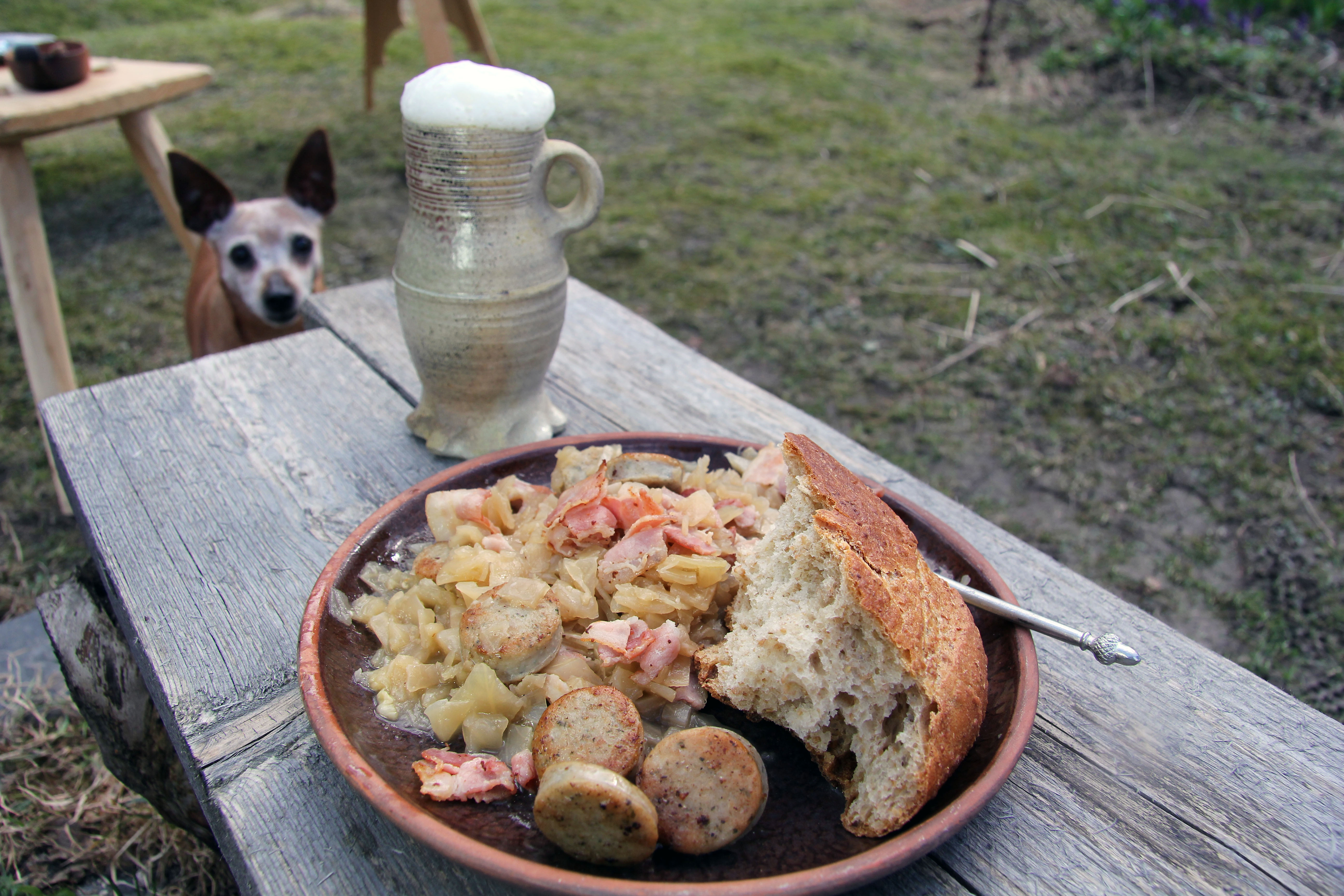
This recipe is a sauce that I made to accompany the fish that I posted here last time. It is excellent sauce for all types of fish dishes and again very easy to make.

Lemon sauce

Take almonds, blanch, and crush so as to turn them into milk; then boil the milk, that is, the almond milk, with cinnamon, ginger and saffron; pass the milk, that is, the almonds, trough a stamine with lemon juice or pomegranate and a little verjuice and lean broth; if you wish to make it stronger, add more lemon or other citrus.

Serves 4

3-4 dl almond milk made in vegetable broth (or fish broth or chicken broth)

½ dl fresh lemon juice

1 tablespoon of vinegar

½ teaspoon ginger

pinch of cinnamon

pinch of saffron

(salt)

Make almond milk. Use vegetable broth or fish/ chicken broth for making the milk. Heat the almond milk briefly and add freshly squeezed lemon juice, vinegar and spices. Stir and taste. Add more lemon juice if needed and more salt if you wish. Serve warm or cold.

Comments: The recipe doesn’t tell if the sauce should be heated or not. But I decided to heat it because spices taste always better when heated a little bit.

(The Art of Cooking, The First Modern Cookery Book, The Eminent Maestro Martino of Como, 15th century, Ballerini)
*****************************************************************

Tämänkertainen resepti on yhdestä lempikirjastani eli kirjasta nimeltään The Art of Cooking, The First Modern Cookery Book ja se perustuu Maestro Martinon Libro de Arte Coquinariaan (1465). Martinoa on sanottu yhdeksi renessanssin ajan tärkeimmäksi mestarikokiksi. Hänen elämästään tiedetään hyvin vähän, oikeastaan lähes kaikki tieto on peräisin Bartolomeo Sacchin (jota kutsutaan myös Platinaksi) kirjoituksista.

Tein tätä kastiketta viimeksi blogiin kirjoittamani kalan kaveriksi. Se sopii erittäin hyvin kaikenlaisten kalaruokien kanssa, miksei myöskin kanaruokien, etenkin jos mantelimaidon tekee kanaliemeen.

Lemon sauce – sitruunakastike

Take almonds, blanch, and crush so as to turn them into milk; then boil the milk, that is, the almond milk, with cinnamon, ginger and saffron; pass the milk, that is, the almonds, trough a stamine with lemon juice or pomegranate and a little verjuice and lean broth; if you wish to make it stronger, add more lemon or other citrus.

4 hengelle

3-4 dl mantelimaitoa tehtynä kasvisliemeen (tai kala-/ kanaliemeen)

½ dl vasta puristettua sitruunamehua

1 ruokalusikallinen valkoviinietikkaa

½ teelusikallinen inkivääriä

hyppysellinen kanelia

hyppysellinen sahramia

(suolaa)

Tee mantelimaito kasvisliemeen (tai kala-/ kanaliemeen). Kuumenna mantelimaito nopeasti ja lisää vasta puristettu sitruunan mehu, viinietikka ja mausteet. Sekoita ja maista. Lisää tarvittaessa makusi mukaan lisää sitruunamehua tai/ja suolaa. Tarjoa lämpimänä tai kylmänä.

Kommentit: Alkuperäinen resepti ei kerro tuleeko kastiketta kuumentaa ollenkaan. Mielestäni mausteet maistuvat aina kuitenkin paremmalle, jos niitä on ensin vähän lämmitetty. Siispä päätin kuumentaa kastikkeen.

(The Art of Cooking, The First Modern Cookery Book, The Eminent Maestro Martino of Como, 15th century, Ballerini)

To grill gilthead (or just fry zander)

Couple weeks ago we went to my father’s house to celebrate Midsummer Eve. I had plenty of time to play with food and cook some on an open fire. My father’s fire place is modern but fire is fire and I do not have too often chance to cook outside.

As I have said earlier, it is quite challenging to cook medieval fish dishes sometimes because here at Finland there aren’t that many options on different types of fish you might find from your grocery stores. At least it is the thing outside of bigger cities. For this dish I used zander, which is one of my favourites. Gilthead is white flesh sea fish and zander is white flesh fresh water fish. So white flesh fish, that’s close enough for me this time.

This dish is very easy, open fire is not necessary, you can do it at your home kitchen too if you want. Recipe is from Bartolomeo Scappi’s Opera from 1570. The recipe is from book III which is called ”dishes proper for lean and lenten days”. This book contains about 160 recipes on how to cook different types of fish. Recipes are pretty long and usually they give lots of choices about what ingredients to add. The recipe I used this time tells us how to grill giltheads. Last part of the recipe tells how to fry them. I wanted to fry them, because I wanted to try out how orange juice goes with the fish. It was very tasty! I bet that the other recipe for grilling the fish is good too.

To grill gilthead – or to fry zander

Get fresh gilthead, whether from the sea or a salt pool or any other water, and they should still be with their scales. Gut them, wash them well and put them for two hours in a mixture of oil, salt, vinegar and fennel seeds. Put them on a grill and cook them over moderate fire, basting them with the same mixture in which they have steeped. Turn them from time to time so they will get well cooked. Serve them hot, dressed with the same sauce.

If you want to fry them, scale them, clean out their insides, wash them well and sprinkle them with salt so they will be tastier. Flour them and fry them in olive oil. Serve them hot, garnished with sliced lime or else with orange juice.

Serves 6

1 kg fish fillets (zander, gilthead or other white fish)

1-2 oranges

2 dl flour

salt

olive oil

Dry fillets on paper towel etc. Make fresh orange juice from one of the oranges. Leave the other one for garnishing if you want. Sprinkle salt on each side of fish fillets (as much as you want) and dipp them to the flour. Heat a skillet and olive oil and fry fillets on moderate heat/fire depending on the size of the fillets as long as they are done (about 3-5 minutes on each side). Garnish with fresh orange juice and orange slices. Serve hot.

(The Opera of Bartolomeo Scappi, 1570, Terence Scully)

****************************************************************

Juhannuksena perinteisen suomalaisen juhannusruuan sekaan mahtui tänä vuonna muutamia ulkona kokattuja keskiaikaisia ruokia. Hyvin sopivat sillien ja perunoiden sekaan nämä ruuat. Tämän kertainen ruokalaji tehtiin siis ulkona, modernissa tiiligrillissä, avotulella kuitenkin. Pääsen sen verran harvoin ulos kokeilemaan ruuan valmistusta, että kaikki mahdollisuudet haluaa käyttää hyväksi. Tämän ruuan voi toki hyvin tehdä myös sisällä kotikeittiössä. Se on hyvin yksinkertainen ja helppo tehdä.

Resepti on peräisin Bartolomeo Scappin Opera kirjasta 1500-luvun loppupuolelta. Ruoka on kirjan kolmannesta osasta, jossa käsitellään pääasiassa paastonajan ruokia. Kyseisessä kirjan osassa on kuvattu kaiken muun lisäksi peräti n. 160 erilaista ruokaohjetta erilaisten kalojen valmistamiseksi. Reseptit ovat Scappin aikaa edeltäviin resepteihin verrattuna monipuolisempia ja pidempiä. Niissä annetaan usein paljon vaihtoehtoja siitä, mitä kuhunkin ruokalaijin voidaan lisätä tai miten sitä voidaan muokata.

Tällä kertaa valitsin ohjeen, jossa kerrotaan kuinka grillataan kalaa nimeltä kultaotsasargi. Lopussa annetaan vinkkejä em. kalan paistamiseen. Wikipedian mukaan kultaotsasargi kuuluu ahvenkalojen heimoon ja se asustelee mm. Atlannilla ja Välimerellä. Tätä kalalajia ei suinkaan löytynyt lähikaupan kalatiskiltä tai torilta, joten jouduin tyytymään kuhaan. Kummatkin ovat vaalealihaisia kaloja, joskin kultaotsasargi on peräisin merestä ja kuha asustaa makeissa vesissä. No kuhakin kuuluu ahvenkaloihin. Halusin kokeilla jälkimmäistä ohjetta, joka neuvoo paistamaan kalan, koska olin utelias tietämään kuinka hyvää kala olisi appelsiinin kera. Oli kyllä hyvää! Ensikerralla voisi kokeilla grillaamista, koska sekin ohje vaikuttaa herkulliselta.

To grill gilthead – paistettua kalaa appelsiinin kera

Get fresh gilthead, whether from the sea or a salt pool or any other water, and they should still be with their scales. Gut them, wash them well and put them for two hours in a mixture of oil, salt, vinegar and fennel seeds. Put them on a grill and cook them over moderate fire, basting them with the same mixture in which they have steeped. Turn them from time to time so they will get well cooked. Serve them hot, dressed with the same sauce.

If you want to fry them, scale them, clean out their insides, wash them well and sprinkle them with salt so they will be tastier. Flour them and fry them in olive oil. Serve them hot, garnished with sliced lime or else with orange juice.

6 hengelle

1 kg kalaa fileinä (kuhaa tai muuta vaalealihaista kalaa)

1-2 appelsiinia

2 dl jauhoja

suolaa

oliviiöljyä

Kuivaa kalafileet talouspyyhkeeseen tms. Ripottele kummallekin puolelle filettä suolaa maun mukaan ja dippaa fileet jauhoihin. Kuumenna paistinpannu ja lisää oliiviöljy sekä osa fileistä. Paista fileitä kummaltakin puolelta koosta riippuen sopivan ajan (noin 3-5 minuuttia), kunnes fileet ovat kypsiä. Tee samoin lopuille kalafileille. Valuta päälle tuoretta vastapuristettua appelsiinimehua ja koristele appelsiininlohkoilla niin halutessasi. Tarjoa kuumana.

(The Opera of Bartolomeo Scappi, 1570, Terence Scully)

Sahramia, munia ja mantelimaitoa/ Saffron, eggs and almond milk

I can now finally announce that we have made a cookbook. Writers Mervi Pasanen (also known as Joutsenjärven Sahra from Hibernaatiopesäke), Saara Nironen (which is me) and Nanna Tuovinen. Photos Ilona Reiniharju and Riku Pasanen (also known as Knut Kotkankallio). It is unfortunately only in Finnish (but life is crazy so anything might happen ;) ).

Chicken with Almond Milk/ Kanaa mantelimaidossa

I am so happy! This is a dream that I didn’t even dare to dream about coming true.

The book is now available for pre-order here!

We had so much fun making this book!

Mervi’s little dog Pinja was very helpful/ Mervin pikkukoira Pinjakin oli siellä

And of course nothing normal happened behind the scenes / mätä mandariini! mitä?

**********
Ystäväni naamakirjassa ovat jo kuulleet meiltä ilmestyy keittokirja! Kirjan kirjoittajina ovat Mervi Pasanen (Hibernaatiopesäkkeestä tuttu Sahra), Saara Nironen (se olen minä) ja Nanna Tuovinen. Kuvat Ilona Reiniharju ja Riku Pasanen (joka tunnetaan myös Kotkankallion Knutina). Iloa ja riemua ei voi sanoin kuvailla!

Kirja on nyt ennakkotilattavissa täältä!

Zabaglone

Today at the test kitchen it was all about my husband in charge of cooking. This following recipe is his (my husband’s UlfR Knutsson’s) and with his permission and suggestion I am gladly writing it here. (Scroll down for Finnish version/ Kelaa alas suomenkieliseen ohjeeseen!)

There is by the way a great article about this dish online!

Zabaglone – warm egg custard

For four cups of Zabaglone get twelve fresh egg yolks, three ounces of sugar, half an ounce of good cinnamon and a beaker of good sweet wine; cook this until it is as thck as a broth; then take it out and set it on a plate in front of the boys. And if you like you can add a bit of fresh butter.

Serves 1

2 dl sweet white wine (as sweet as you can find)

3 big egg yolks

2 teaspoon sugar

1 teaspoon cinnamon

(½ teaspoon of butter, optional)

Mix all the ingredients together and warm gently whisking all the time. Let it simmer couple minutes until it thickens and serve warm. If you want you can add more sugar and cinnamon.

Comments: He said that he used Riesling for the dish and it wasn’t sweet enough. Also he said that as the other article suggests strawberries would be nice addition to the dish, unfortunately ours are not ripe yet ;) (he is referring to our strawberry pot which will give us if we are lucky probably less than 20 berries, when they finally will be ripe).

(The Neapolitan Recipe Collection, Cuoco Napolitano, 15th century, Terence Scully)

**************************************************************

Tällä kertaa koekeittiössä kokkasi mieheni UlfR. Hänen luvallaan ja pyynnöstään laitan tämän reseptin tänne blogiin. Tästä ruokalajista on muuten hyvä artikkeli netissä!

Zabaglone – lämmin munaviinikeitto

For four cups of Zabaglone get twelve fresh egg yolks, three ounces of sugar, half an ounce of good cinnamon and a beaker of good sweet wine; cook this until it is as thck as a broth; then take it out and set it on a plate in front of the boys. And if you like you can add a bit of fresh butter.

1 hengelle

2 dl makeaa valkoviiniä (makeinta mitä löytyy)

3 isoa kananmunan keltuaista

2 teelusikkaa sokeria

1 teelusikka kanelia

(½ teelusikallinen voita, jos haluaa)

Sekoita kaikki ainekset keskenään kattilassa ja kuumenna sekoittaen hyvin koko-ajan. Anna kiehua hiljalleen pari minuuttia kunnes keitto hyytyy. Jos haluat, lisää sokerin ja kanelin määrää.

Kommentit: UlfR sanoi käyttäneensä Rieslingiä ja se ei ollut ihan riittävän makeaa. Lisäksi hän sanoi, kuten yläpuolella olevassa artikkelissa viitataan, sopii ruoka hyvin mansikoiden kera.. valitettavasti meidän mansikat eivät ole vielä kypsiä ;) (hän viittaa siis meidän amppelimansikkaan, josta hyvällä tuurilla saa ehkä alle 20 mansikkaa, kun ne ovat vihdoin kypsiä).

(The Neapolitan Recipe Collection, Cuoco Napolitano, 15th century, Terence Scully)

Olde Hansa

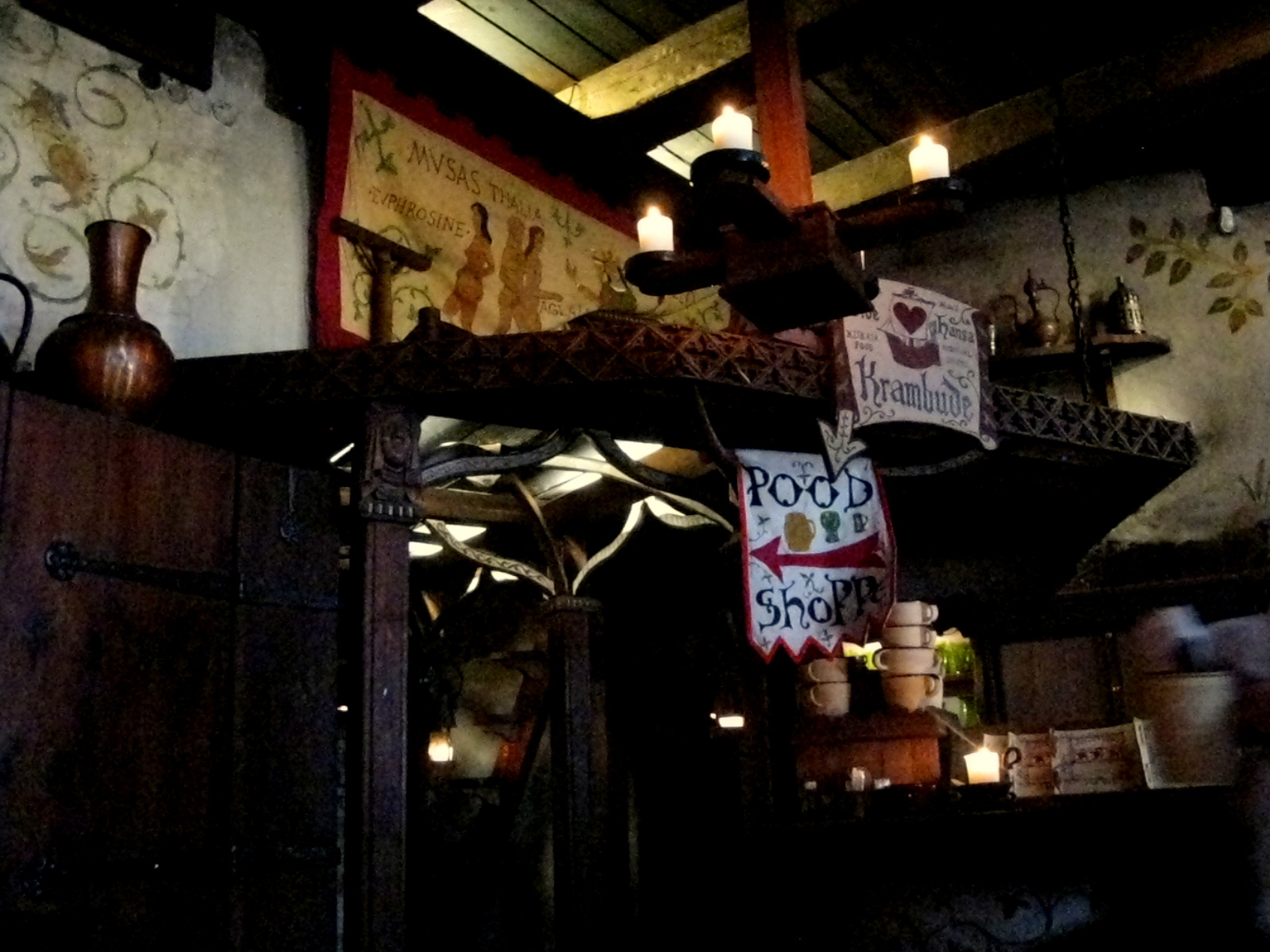
Couple weeks ago Katheryn, Dorothea, UlfR and I went to Tallin, Estonia for a day trip. Main goal was to shop and go to eat at Olde Hansa restaurant at old town. It was Dorothea’s first Olde Hansa visit, but for rest of us, we have eaten there many times.

It is not only because of the fantastic atmosphere that we want to go there over and over again. Food is usually always delicious and service is good too. There isn’t that many good medieval themed restaurants or ones I have heard about near to us. We have some restaurants here in Finland but I cannot speak about them in the same day I am speaking of Olde Hansa.

Of course Olde Hansa have it’s own weaknesses. They do want to consider what normal people wants to eat. With that in mind they have modified the menu and the dishes so it is not easy or even possible to recognize the dishes anymore from their medieval alike dishes. This has of course good and bad sides. Imagination and adapting is always good. Bad is in my opinion when you need to add potatoes or non-medieval foodstuff for your menu to please customers. For me I don’t care if I am eating at the medieval themed restaurant and not knowing that they have used non medieval foodstuff for the dishes (spices, thickening agents etc.) but when a waiter points out that here you have a baked dumpling filled with potatoe, then it is a small disappointment.

But because the food is delicious, usually always, I do recommend Olde Hansa for everybody. When you go there, don’t forget to visit their shop. You will find lots of great stuff there! They have a online shop too.

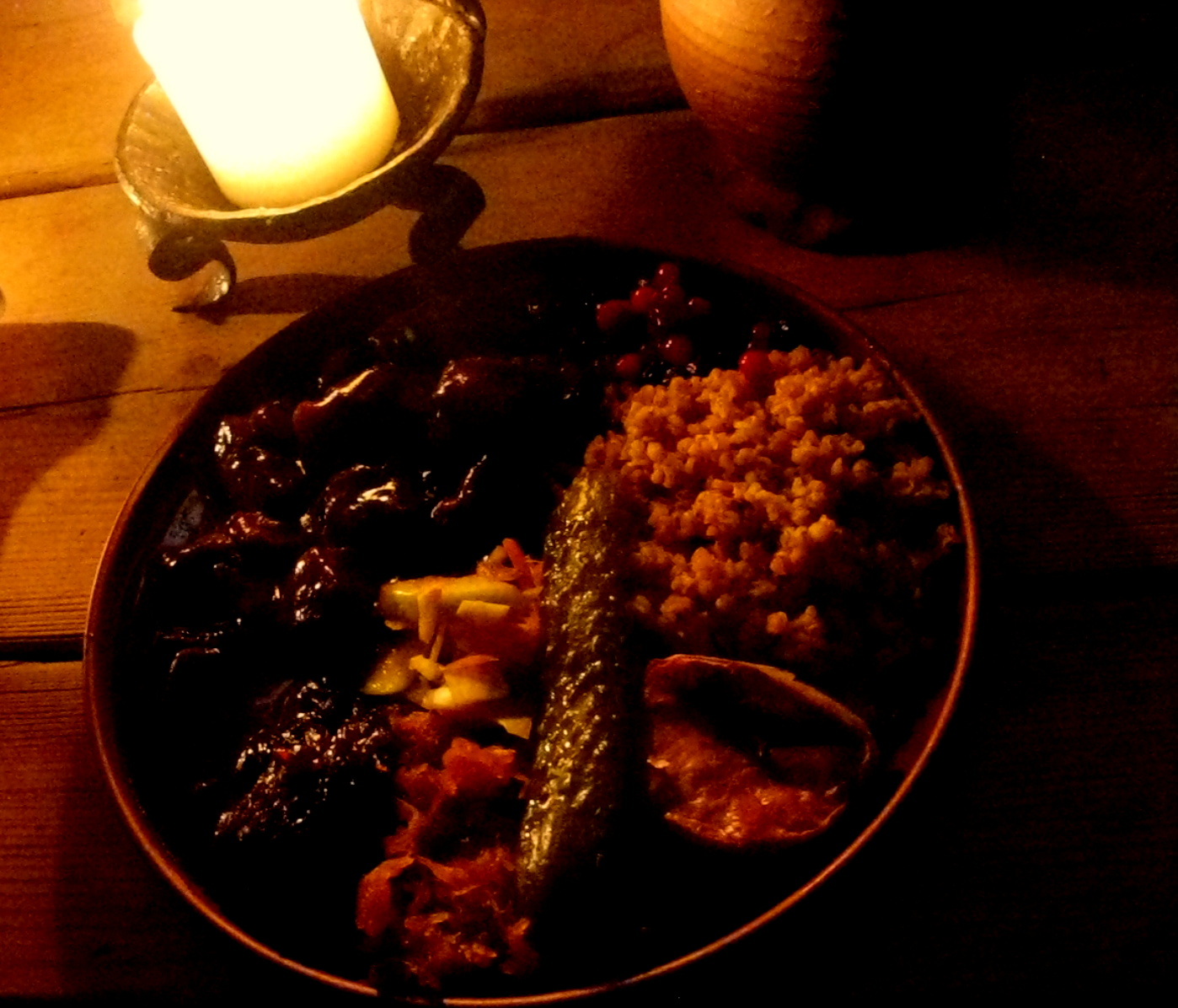
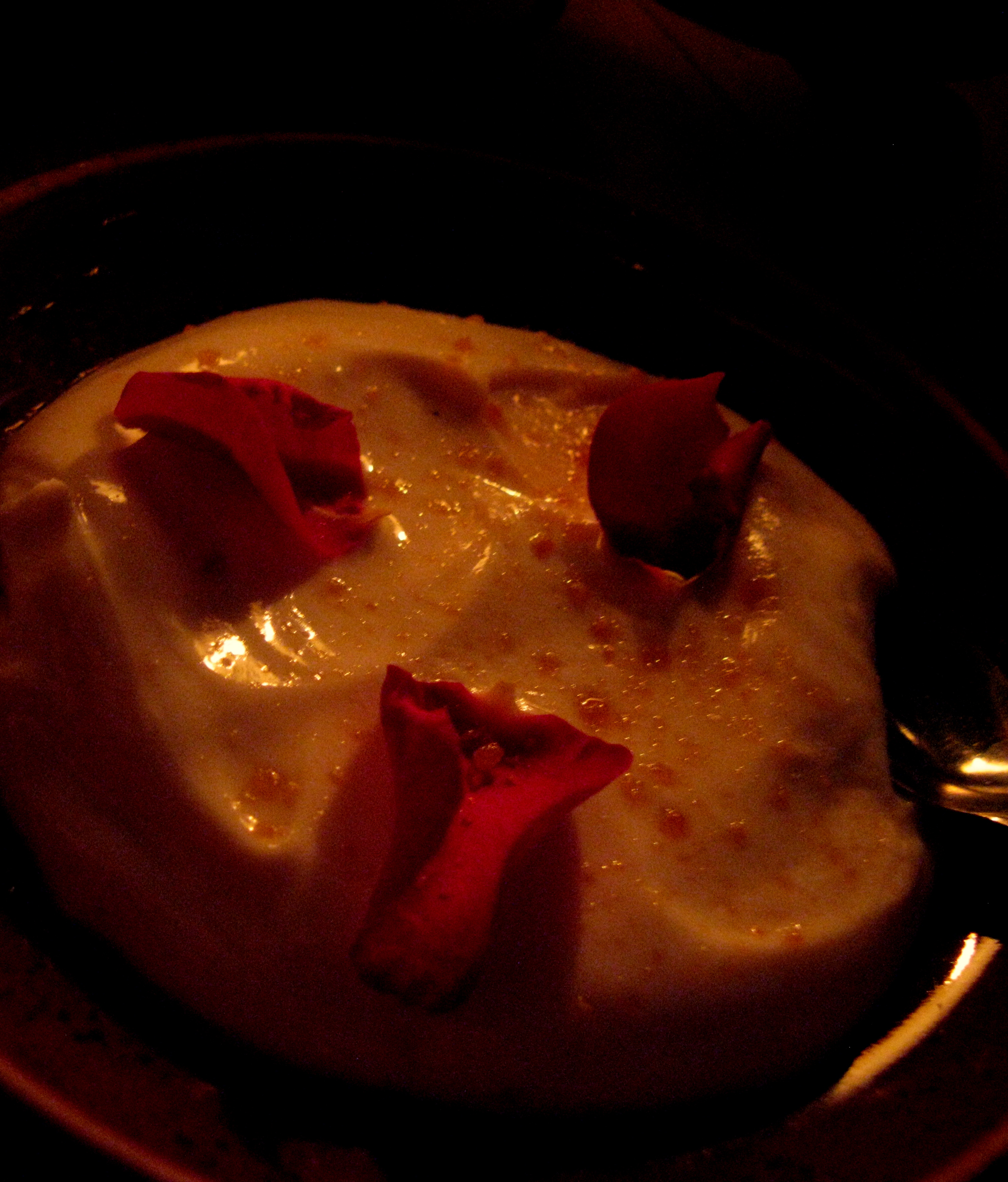
This time I ate ”Wild boar plate favoured by Earl von Uexkyll”, Kathery ate ”Divine leg of pork with beer syrup”, Dorothea ate salmon dish (I cannot remember any more which one but I think that it was ok not special) and UlfR ate ”Grand merchant von Hueck’s mild game pot ” . Meat dishes usually always are very good there. The Divine leg of pork is truly divine! Wild boar was good but think I have aten that too many times and next time I have to choose something else. UlfR’s game pot was ok, but again nothing very special. He said that our friend who is from Lappland makes better game pot ;). Olde Hansa’s sausage plates are always good too :). And of course we drank very good spiced cinnamon beer and for dessert we had as usually ”Rose pudding savoury; Velvet Delight of the Nobility ”. That rose pudding is so goooood!

Wild boar plate/ villisikavati

Rose pudding / ruusuvanukas

And now I am hungry :D

*************************************************

Pari viikkoa sitten kävimme Katherynin, Dorothean ja UlfRin kanssa Tallinnassa päiväretkellä. Päätavoite oli tehdä ostoksia ja mennä syömään Olde Hansan ravintolaan, joka sijaitsee vanhassa kaupungissa. Dorothealle kerta oli ensimmäinen, mutta me muut olemme syöneet siellä monta kertaa.

Olde Hansaa on aika vaikea kuvailla sanoin sellaiselle, joka ei ole siellä koskaan käynyt. Kaikki ne tuoksut, seinämaalaukset ja tunnelma on jo itsessään yleensä elämys. Pelkästään tunnelman takia sinne ei kuitenkaan tule lähdettyä aina uudestaan ja uudestaan. Ruoka on yleensä aina herkullista ja palvelu on hyvää. Tietysti vertailupohjaa ei kovin paljon ole, koska hyviä keskiaikahenkisiä teemaravintoloita ei juuri ole lähialueilla. Suomessa on muutamia ravintoloita, mutta niistä ei oikein voi puhua samana päivänä.

Tietenkin Olde Hansassa on omat heikkoutensa. Olde Hansan menussa paistaa läpi selvästi halu miellyttää myös tavallisia asiakkaita, ei pelkästään historian harrastajia. Ja se vaikuttaa siihen melko paljon, mitä asiakkaille halutaan tarjota. Ruokia on muutettu sen verran paljon alkuperäisistä keskiaikaisista ruuista, ettei niitä ole kovin helppoa tunnistaa niiden esikuvista. Se on tietysti monella tapaa myös hyvä asia, koska mielikuvituksen käyttö on mielestäni aina hyväksi. Minua ei haittaa, jos olen keskiaikahenkisessä ravintolassa syömässä ja jos en tiedä, onko ruokiin käytetty esim. uudenaikaisia mausteita tai sakeuttamisaineita. Mutta jos tarjoilija erikseen ponnekkaasti ilmoittaa, että paistetussa taikinanyytissäni on sisällä perunaa, tunnelma vähän latistuu.

Mutta ruoka on herkullista yleensä aina, joten suosittelen Olde Hansaa kaikille. Olde Hansassa vieraillessa ei kannata unohtaa vierailla ravintolan yhteydessä olevassa kaupassa. Sieltä saa kaikkea ihanaa, erityisesti astioita. Olde Hansalla on myös verkkokauppa.

Tällä kertaa söin kreivi von Üksküllin villisikavadin, Kathery söi jumalaisen paistetun sian potkan pehmeän olutsiirapin cera, Dorothea söi lohta (en muista enää mitä niistä, hyvää se oli kuitenkin, mutta ei mitenkään järin erikoista) ja UlfR söi mahtikauppamies von Hueckin pehmeänmakuisen riistakäristyksen. Liharuuat Hansassa ovat yleensä erittäin hyviä. Jumalainen sianpotka on tosiaan jumalaista! Villisikavati oli hyvä, mutta olen tainut syödä sen liian monta kertaa. Ensi kerralla pitää valita jotain muuta :). UlfR totesi riistakäristyksestä, että se oli ihan ok, mutta ei mitään kovin erikoista. Kuulemma ystävämme pohjoisesta tekee huomattavasti parempaa riistakäristystä ;). Ja tietysti me juotiin ruuan kanssa erittäin hyvää maustettua kaneliolutta ja jälkiruoaksi otimme ruusuvanukasta. Ruusuvanukas on aina niiiiiin hyväääää!

Jahas ja tätä ajatellessa tulikin taas nälkä :D

A Type of Ahrash- spiced meat patties with sauce

Tags

,

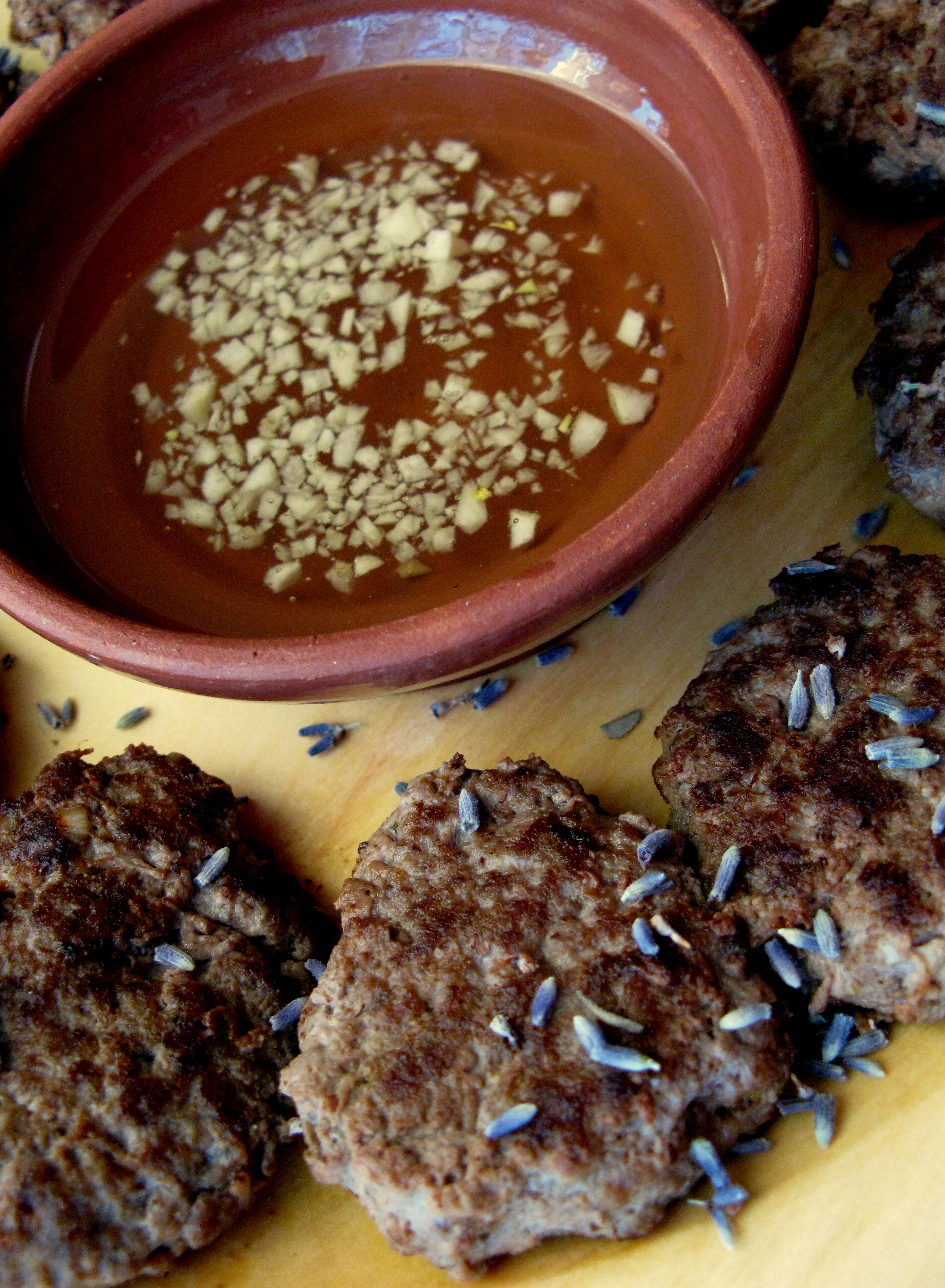
Couple weeks ago I stumbled into medieval arabic cookery after a long while. I must admit that it is an area that I am not most familiar with. I have always liked spiced meatballs and medieval arabic food. I have not made the food much but I have enjoyed couple excellent medieval arabic feasts. For example it is hard to forget the great feast Niina (Kaukis) made last Cudgel Wars!

A Type of Ahrash – spiced meat patties with sauce

This is the recipe used by Sayyid Abu al-Hasan and others in Morocco, and they called it isfîriyâ. Take red lamb, pound it vigorously and season it with some murri naqî*, vinegar, oil, pounded garlic, pepper, saffron, cumin, coriander, lavender, cinnamon, ginger, cloves, chopped lard, and meat with all the gristle removed and pounded and divided, and enough egg to envelop the whole. Make small round flatbreads (qursas) out of them about the size of a palm or smaller, and fry them in a pan with a lot of oil until they are browned. Then make for them a sauce of vinegar, oil, and garlic, and leave some of it without any sauce: it is very good.

serves 4-5

600 g ground meat of lamb or mutton or beef
2 tablespoon soy sauce*
1 tablespoon vinegar
1 tablespoon olive oil or sesame oil
2 tablespoon chopped garlic
1 teaspoon pepper
pinch of saffron
2 teaspoon cumin
1 teaspoon ground coriander
1 teaspoon ground lavendel
1 teaspoon cinnamon
1/2 teaspoon ginger
1/3 teaspoon cloves
3 eggs

olive oil for frying

sauce:
1 dl vinegar
1 tablespoon seesame oil
1 minced garlic clove

Mix the sauce ingredients together and let the sauce stand for couple hours. Mix together well the ground beef/lamb/mutton and rest of the ingredients and put the meat dough to the fridge for at least half an hour. Shape small round (palm size) patties from meat and fry them in olive oil until done. (Decorate patties with lavendel) Serve hot with the sauce.

*Murri nagî= means a certain type of andalusian murri. Murri in other hand is a form of condiment, that has been used in arabic food but which use has significantly decrease after 14th century. If you don’t have time to do your own murri or you are not able to get ingredients for it or closer substitute sauces, then you can always use soy sauce. I am not very fond of using substitutes but in this case I have bend my precepts and used soy sauce.

Comments: I wasn´t able to find lard that is suitable for arabic food from my grocery so I did leave it out.

(Anonymous Andalusian cookbook 13th century, Charles Perry)

*************************************************************

Pari viikkoa sitten tein pitkästä aikaa ruokaa Charles Perryn Anonymous Andalusian – reseptikokoelmasta 1200-luvulta. Nämä lihapihvit (tai pullat) ovat todella hyviä! Laventelin voi jättää pois, jos sitä ei ole saatavilla. Kiitos maailmaa matkanneen ystäväni Leylan, minulla oli sitä maustelaatikossani <3

A Type of Ahrash – mausteiset jauhelihapihvit

4-5 hengelle

600 g lampaan tai naudan jauhelihaa
2 rkl soijakastiketta*
1 rkl viinietikkaa
1 rkl oliiviöljyä tai seesamiöljyä
2 rkl valkosipulia hienonnettuna
1 tl pippuria
ripaus sahramia
2 tl juustokuminaa
1tl korianteria
1 tl tai enemmän laventelia hienonnettuna
1 tl kanelia
1/2 tl inkivääriä
1/3 tl neilikkaa
3 kananmunaa

oliiviöljyä paistamiseen

kastike:
1 dl viinietikkaa
1 rkl seesamiöljyä
1 valkosipulin kynsi murskattuna

Sekoita kastikeainekset keskenään ja laita vetäytymään pariksi tunniksi. Sekoita keskenään jauhelihataikina ja laita vetäytymään jääkaappiin vähintään puoleksi tunniksi. Tee massasta kämmenen kokoisia pihvejä ja paista reilussa öljyssä kypsäksi. Tarjoile kastikkeen kera. Koristele halutessasi pihvit laventelin kukilla.

*murri naqî = murri nagî tarkoittaa tietynlaista andalusialaista murria. Murri taas on eräänlainen mausteseos, jota on käytetty arabialaisessa ruuan valmistuksessa, ja jonka käyttö on ilmeisesti vähentynyt merkittävästi jo 1300-luvulla. Joidenkin lähteiden mukaan se voisi olla tehty fermentoidusta ohrasta. Mikäli murria tai aineksia murriin tai edes lähellä oleviin korvaaviin kastikkeisiin ei ole saatavilla, voi korvikkeena käyttää soijakastiketta tai jättää kokonaan käyttämättä. Olen periaatteessa useimmiten sitä mieltä, että mieluummin jätän tällaiset epäaikaiset korvikkeet pois kokonaan ruuasta, mutta murrin osalta olen kyllä tehnyt poikkeuksen. Lisää tietoa murrista esim. täältä.

Kommentit: Reseptissä käsketään laittamaan lihapuliin laardia. Saatavilla ei ollut mitään sellaisen eläimen laardia, joka soveltuisi arabialaiseen ruokaan. Joten päätin jättää sn pois.

(Anonymous Andalusian cookbook 13th century, Charles Perry)

Tart in Ymber Day

Tags

,

Just edited couple photos for this recipe and now I feel very hungry. The recipe is from Forme of Cury c. 1390 and this version doesn’t include any cheese. I am so used to put cheese in modern savory pies and tarts so it made me wonder if this will work out. But it doesn’t need any cheese it is just perfect this way!

I have now added also two new basic recipes, one for a pie/ tart dough, one for powder douce spice mixture. You will find them under basic recipes.

Tart in Ymber Day

Take & perboule onyons & erbes & presse oute the water & hewe hem smale. Take brede & bray hit in a morter & temper hit up with ayroun. Do ther to buttur, saffroun & salt & raysouns corauns & a litul sugur with poudour douce & bake hit in a traup & serve hit forth.

300 g onions
a bunch of fresh parsley
1 tablespoon of dried sage
2 pieces of bread without crust
3 eggs
1 tablespoon butter
pinch of saffron
1 teaspoon salt
3 tablespoon currants
½ teaspoon sugar
1 ½ teaspoon powder douce spice mixture
Pie dough

Make pie dough. Peel onions and cut them into thin slices. Take a pot and bring some water to boil. Add onions to the boiling water and boil them briefly. Throw the water away and dry the onions well and let them cool. Mix together the onions, currants, spices, chopped herbs and a tablespoon of room temperature butter. Mix in separate bowl the eggs and bread crumbs and add them to the filling. Roll out the pie dough to the pie casserole and put the filling on top of the dough. Bake in oven at 200 degrees for about 40 minutes.

This is it inside:

I also made mini pies :)

*********************************************************

Muokkasin juuri kuvia tästä sipulipiirakasta ja nälkä tuli. Tämä resepti on Forme of Cury reseptikokoelmasta 1300-luvulta ja tähän versioon ei tule lainkaan juustoa! Olen niin tottunut laittamaan juustoa moderneihin suolasiin piirakoihin, että pohdin tätä tehdessä, tuleeko tästä mitään. Mutta päin vastoin, tämä oli täydellistä juuri tällaisena!

Lisäsin myös perusohjeisiin ohjeen yksikertaiselle piirakkataikinalle ja powder douce maustesekoitukselle. Ne löytyy tuolta ylhäältä!

Tart in Ymber Day – paastopäivän sipulipiirakka

300 g sipulia
nippu tuoretta persiljaa
1 rkl kuivattua salviaa
2 vaaleaa kuivaa leipäviipaletta ilman kuorta
3 kananmunaa
1 rkl voita
hyppysellinen sahramia
1 tl suolaa
3 rkl korintteja
½ tl sokeria
1 ½ tl powder douce maustesekoitusta
Piirakkataikinaa

Tee piirakkataikina. Leikkaa kuoritut sipulit ohuiksi viipaleiksi ja ryöppää ne pikaisesti kiehuvassa vedessä ja valuta ne kunnolla. Anna sipulien jäähtyä. Hienonna persilja. Sekoita keskenään sipulit, korintit, mausteet, yrtit ja ruokalusikallinen huoneen lämpöistä voita. Jauha leipäviipaleet murusiksi. Sekoita keskenään kananmunat ja leivänmurut. Sekoita kananmunaseos täytteeseen. Kauli voideltuun piirakkavuokaan taikina ja lado taikinan päälle täyte. Paista uunissa 200 asteessa n. 40 minuuttia.

Books!

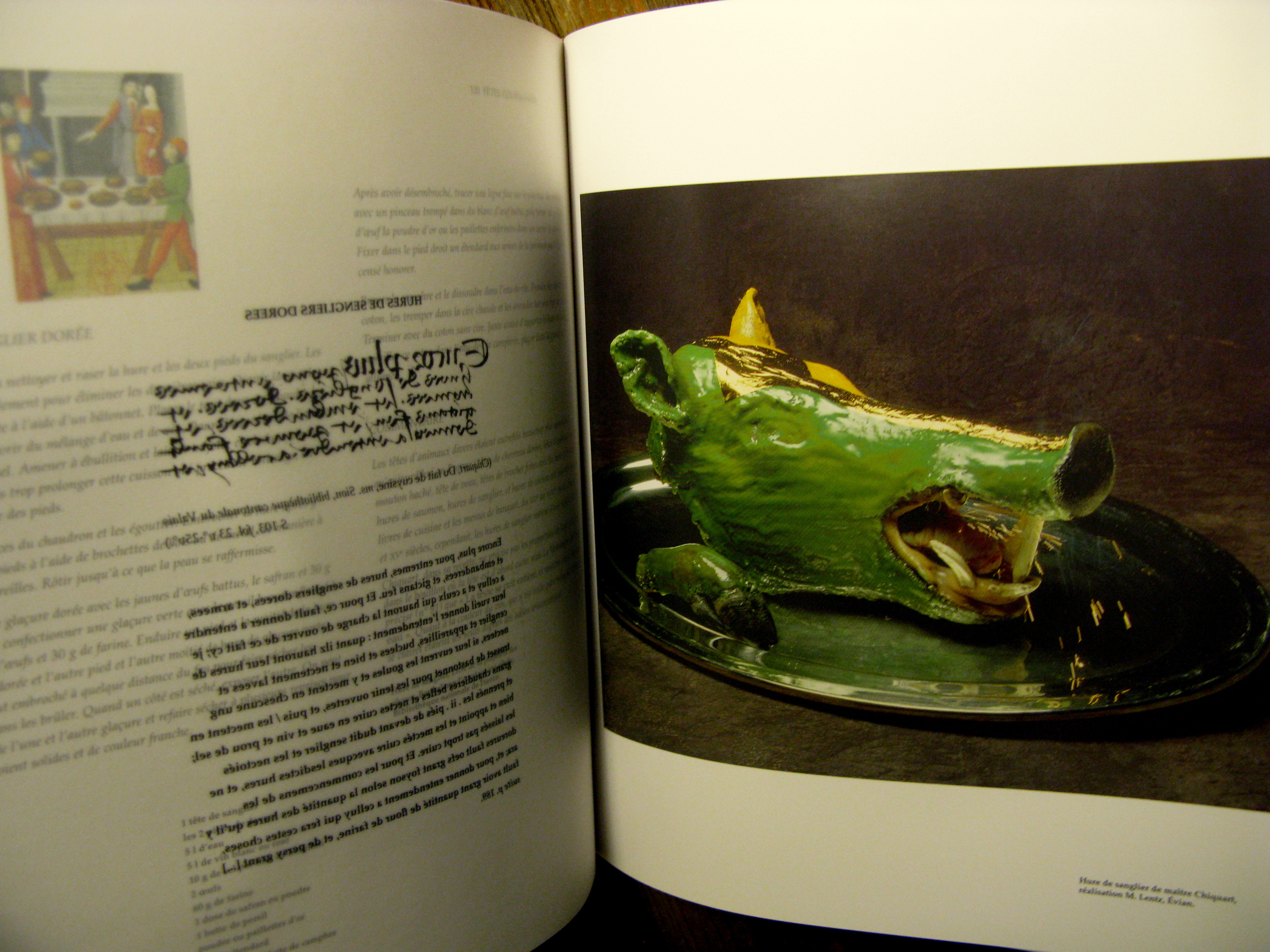
I have gotten three new cookbooks to my library. First one is a fascinating book that my friend Nanna showed me a little while ago. The book is called “Fetes gourmandes au moyen age” and yes it is written in French. It had so gorgeous pictures that I wanted to have it!

Three little partridges with rose vinegar sauce

A wild boar head that made me gasp. It is coloured with parsley, gold and saffron.

The book is actually not very new, it is published in 1998. This is my first book that is written in French. I have studied French a little and cannot say that my French is very good, but looks like most of the recipes that are in the book are familiar to me. I think I manage to read it well enough and I do know how to use dictionary ;). The pictures are as I mentioned something fantastic! The pottery that they have used in their pictures looks like real ones (!) (because you can see that they are glued together from pieces. Which makes me think why did they want to use the real ones?).

Food in Medieval England: Diet and Nutrition (Medieval History and Archaeology)

The other one that I just gotten is called “Food in Medieval England: Diet and Nutrition”. That one I got from Katheryn as a birthday present :). She knows how interested I am not only about cooking but nutrition, food preservation etc. in medieval times (and well … also how interested I am about medieval diseases which of course are not always food related but anyway). I am currently reading a book “Medieval Food Traditions in Northern Europe”, which is mainly about food consumption in Northern Hansaetic towns and listing botanical remains of archaeological excavations from those areas.

Yesterday came the third book that I kind of accidentally ordered. I was only going to order it for a friend… really! I have seen the book couple times and I know it is a good for those who are interested in old brewing things. Well book was so cheap and the writer is the one who has written the Take a thousand eggs or more books, so I decided that because we only live once here I can order the book for me too. The book is called “A Sip Through Time: Old Brewing recipes” and it has over 400 documented historical brewing/ vinting etc. recipes from 1800 B.C to modern times. Looks like the glossary part is good too and appendix for herbs and fruits!

***********

Ruokakirjastoni on kasvanut taas peräti kolmella uudella kirjalla viime viikkojen aikana. Nanna näytti Rosalassa taannoin ranskankielistä kirjaa nimeltä “Fetes gourmandes au moyen age”. Siinä oli valtavan kauniita ruokakuvia, joten päätin tilata kirjan Amazonista. Kirja on julkaistu vuonna 1998. Olen opiskellut vain vähän ranskaa aikoinaan lukiossa (melko heikoin tuloksin vielä kaiken lisäksi). Onneksi kirjan reseptit näyttävät tutuilta ja loput sanat mitä en tiedä, voin aina tarkistaa sanakirjasta! Eli ei ollut sekään ranskanopiskelu turhaa silloin! Kirjan kuvat ovat sen lisäksi, että ne ovat kauniita myös mielenkiintoisia. Näyttäisi siltä, että kuvissa on käytetty rekvisiittana ihan oikeita keskiaikaisia (?!) saviastioita. Vai miksiköhän ne saviastiat näyttävät siltä, että ne on hajotettu ja palat liimattu kiinni toisiinsa? (Heh, eihän kukaan oikeasti luule, että ne museoissa pirstaleista kootut esineet oli silloinkin keskiajalla sen näköisiä… eeh :P).

Toinen kirja on nimeltään “Food in Medieval England: Diet and Nutrition” ja sain sen synttärilahjaksi Katheryniltä, joka tietää kuinka paljon minua kiinnostaa itse ruuanlaiton lisäksi kaikki keskiajan ravitsemukseen, ruuan säilyvyyteen jne. liittyvät asiat (ja kaikki sairauksiin keskiajalla liittyvät asiat, vaikka ne eivät tietysti aina ruuasta johtuvia olleetkaan). Luen tälläkin hetkellä itseasiassa Pohjois-Euroopan arkeologisiin kasvitieteellisiin löytöihin perustuvaa kirjaa “Medieval Food Traditions in Northern Europe”, jossa hahmotellaan myös kasviperäisten ruoka-aineiden käyttöä Suomessa keskiajalla.

Postiluukusta kolahti kolmas kirja Amazonista eilen. Kirja, jonka ihan vahingossa menin tilaamaan (köh). Olin aikeissa tilata kirjan ainoastaan kaverille, joka on kiinnostunut vanhoista oluenvalmistustaidoista. Olen nähnyt kyseisen kirjan aikaisemmin pariin otteeseen ja se on saman kirjailijan käsialaa kuin Take a Thousand Eggs or More-kirjat, jotka taas ovat mielestäni sieltä parhaimmasta päästä ka-keittokirjoja. Kirja oli vielä kaiken lisäksi halpa. Siispä ajattelin, että kerrankos täällä eletään ja painoin order-nappulaa. Kirjan nimi on “A Sip Through Time: Old Brewing recipes” ja se sisältää yli 400 historiallista juomanvalmistusreseptiä aina sumerialaisesta (1800 eKr.) savitaulusta löydetystä reseptistä moderneihin resepteihin. Näyttäisi siltä, että kirjan sanasto-osuus ja yrttien ja hedelmien selitykset ja luettelot takana ovat myös mielenkiintoisia.

The Beginning

This is it! Finally! I am making one of my dream come true.

The idea and dream for this blog started years ago. Last year I had a year long challenge and after that I decided it is time. I am still very used to cook without exact measurements so writing down the measurements for the recipes will be a challenge. Medieval food is interesting in that aspect too because the recipes seldom have measurements. So that also means the modernized versions here are only my suggestions. I like to use spices, I know that they were expensive back then but then again the recipes or that type of the food were something that poor people would not have had access to. I want to encourage you to test the recipes and make your own adaptations :) !

How to navigate here?

You will find all the pages at upper column and all of them at the bottom of this blog.

For example you will find all the recipes and short descriptions of 15th century food here. The ones I have blogged in ”Let hem boyle” I will put under the categories too.

You will also find the same recipes and desctiptions in Finnish here and the categories here.

For now there is only one basic recipe in ”basic recipe” category, but it is probably the most important one: Almond milk. I have now included one medieval recipe example for the recipe too.

I have uploaded all the 15th century recipes that I made for ”One year and Thousand Eggs” blog here as a starter. Some of them I have modified a little bit.

Also I have modified four older recipes from The Book of Sent Sovi to the 14th century category. For those dishes I only had very poor quality photos so last weekend I made two of them again to get better pictures and to modify the recipes even better.

**********

Tässä se nyt on valmiina vihdoin! Tänään teen yhdestä unelmastani totta.

Idea ja unelma omasta ruokablogista, jonne voisi kerätä kaiken ruokaan liittyvän materiaalin ja reseptit syntyi jo useita vuosia sitten. Viime vuoden ruokahaasteen jälkeen päätin, että aika on kypsä. Olen edelleen tottunut laittamaan ruokaa lähinnä tunteella, enkä niinkään tarkkoja mittayksiköitä käyttäen. On yhä edelleen haastavaa kirjoittaa tarkkoja reseptejä ylös. Toisaalta keskiaikainen ruoka on juuri minunlaiselle kokeilijalle erityisen kiinnostavaa siitäkin syystä, ettei alkuperäisissä resepteissä juuri mittayksiköitä ole käytetty. Tämä taas tosiaan tarkoittaa ennen kaikkea sitä, että tässä blogissa esitetyt modernisoidut reseptit ovat ainoastaan minun tulkintojani. Tykkään edelleen myös käyttää reippaasti mausteita, vaikka tiedän että keskiajalla mausteet olivat kalliita. Toisaalta kirjoitetut reseptitkään tai monet niissä mainitut ruoka-aineet/ruokalajist eivät olleet köyhempien ihmisten saatavilla. Kannustankin testaamaan ja tekemään omia versioita ruuista!

Miten täällä navigoidaan?

Löydät kaikki sivut blogin otsikon yläpuolelta sekä aivan alhaalta koko blogin alaosasta.

Löydät englanninkieliset reseptit ja lyhyet kuvaukset eri vuosisatakategorioiden alta esimerkiksi täältä. Myös tässä blogissa blogatut reseptit päätyvät näiden kategorioiden alle jatkossa.

Suomenkielisten reseptien kategoriat löytyy täältä. Ja reseptilistat esim. täältä.

Basic recipes/ perusohjeet alta löydät vielä toistaiseksi ainoastaan yhden reseptin, sen ehkä tärkeimmän eli mantelimaidon perusohjeen. Olen nyt myös liittänyt reseptiin yhden esimerkin keskiaikaisesta mantelimaitoreseptistä.

Olen tällä hetkellä ladannut kaikki reseptit haasteblogista tänne ja joitain niistä olen jopa hieman muokannutkin.

Lisäksi olen muokannut neljä joskus aikaa sitten muualla julkaisemaani 1300-luvun katalonialaista reseptiä tänne. Näistä ruuista minulla oli vain huonolaatuisia kuvia. Viikonloppuna tein sen takia munakoisorullia ja linssipataa uudestaan ja otin parempia kuvia ja samalla pystyin myös parantamaan kyseisiä reseptejä entistä paremmiksi.